
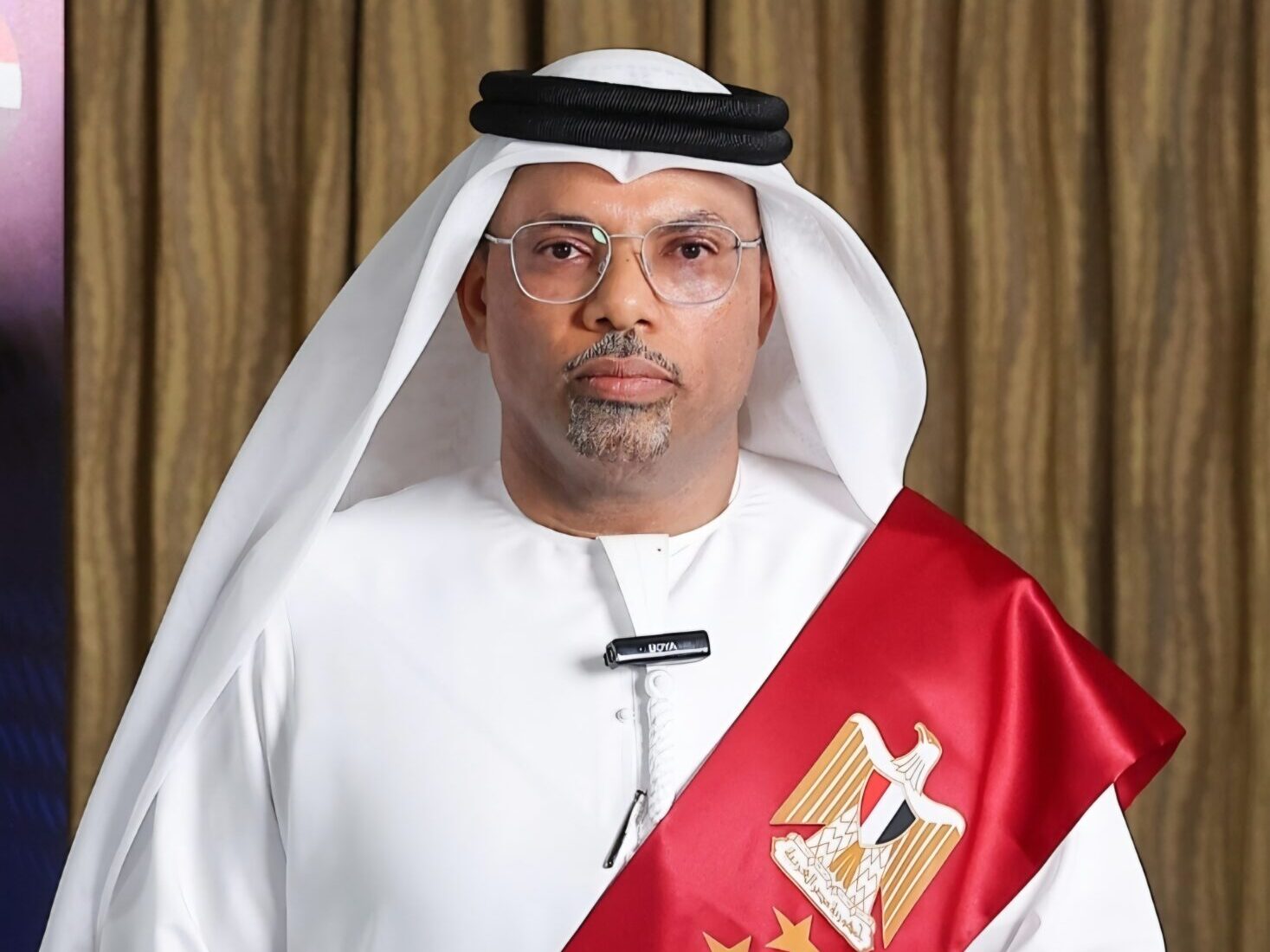
Featuring Person: Abdulla Ahmad Faraj
Designation: Ambassador Extraordinary, Director of Media Marketing,
Partnerships & Events
Organization: Dubai Camel Racing Club
Leadership often reveals itself in the way individuals unite people, traditions, and ideas around a shared vision. Abdulla Ahmad Faraj, Director of Media, Marketing, Partnerships & Events at the Dubai Camel Racing Club, has built his career on that principle. With a strong commitment to sports, cultural heritage, and strategic communication, he has focused on expanding the global presence of camel racing while preserving its authentic Emirati identity. For Faraj, sport holds a unique ability to connect cultures and communities, creating platforms where heritage and modern global engagement meet.
He began his career in the United Arab Emirates’ sports sector, gaining hands on experience in sports administration, team management, and international sporting events. These early years shaped his leadership philosophy, showing him that successful organizations rely not only on competition and results but also on vision, discipline, and the ability to inspire people toward a common goal.
As his career progressed, Faraj moved into media and strategic marketing, concentrating on strengthening communication platforms for sports institutions and heritage events. Over time, he recognized how storytelling, media outreach, and strategic partnerships could elevate traditional sports and introduce them to global audiences.
A central part of his work has been promoting camel racing, one of the UAE’s most important heritage sports. Faraj has worked to present the tradition in a modern and professional way while preserving the cultural values that define it.
At the Dubai Camel Racing Club, he has played a key role in initiatives that expand the club’s global visibility through innovative media strategies, international collaborations, and large-scale heritage events. Among these is the Al Marmoom Heritage Festival, one of the most significant heritage sporting events in the region and a globally recognized celebration of Emirati culture. The festival draws participants, spectators, and media attention from across the world, transforming camel racing into an international cultural and sporting spectacle.
Faraj’s efforts extend beyond organizing competitions. He focuses on shaping immersive cultural experiences that showcase the depth of Emirati traditions while presenting them to a global audience. Through events like the Al Marmoom Heritage Festival, he helps position camel racing not only as a competitive sport but also as a powerful platform for preserving and promoting Emirati heritage on the world stage.
Over the years, he has also built relationships with sports institutions across several countries. These collaborations reflect his belief that sport and heritage can act as bridges between cultures, encouraging dialogue, cooperation, and mutual understanding.
The journey has shaped Faraj’s leadership perspective. He views leadership as the ability to preserve tradition while embracing innovation, empower teams, and create opportunities that allow heritage sports to thrive in an increasingly interconnected world.
Aligning People, Vision, and Heritage
Every leadership journey is shaped by experiences that influence how a person thinks, decides, and guides others. For Faraj, Ambassador Extraordinary and Director of Media, Marketing, Partnerships & Events at the Dubai Camel Racing Club, those experiences span sports administration, media strategy, and international collaboration.
Early in his career, Faraj worked closely in sports administration and team management. These experiences taught him that leadership begins with people. Trust, clear communication, and shared purpose form the foundation of strong teams. Successful organizations, he learned, grow when individuals feel connected to a larger vision.
As his career expanded into media, marketing, and strategic communication, Faraj gained a new perspective on leadership. In today’s world, perception, storytelling, and public engagement are as important as operational excellence. Through his work, he saw how strong communication can strengthen institutions, attract partnerships, and give meaningful initiatives global visibility.
This blend of sports leadership and strategic communication proved especially valuable in his work with the Dubai Camel Racing Club. Camel racing holds deep cultural significance in the United Arab Emirates. Preserving that legacy requires respect for tradition alongside modern strategies that help the sport connect with a global audience.
Faraj’s role has required maintaining this balance. While camel racing carries centuries of heritage, it must continue evolving to remain relevant. Promoting the sport internationally involves innovative marketing, strategic partnerships, and expanding opportunities for participation.
Over time, these experiences shaped Faraj’s leadership philosophy around three principles: vision, people, and legacy. Vision provides direction, people drive success, and legacy ensures that cultural heritage continues to thrive for future generations. In his view, leadership is defined not only by achievements today but by the lasting impact left behind.
A Unique Perspective on Camel Racing
Camel racing has long been a cherished part of Emirati heritage, yet its future also depends on its ability to connect with audiences far beyond the region where it began. Within the Dubai Camel Racing Club, Faraj has been deeply involved in efforts to expand the sport’s global presence while keeping its cultural roots intact.
A central part of that effort lies in building meaningful partnerships. Faraj believes that institutions rarely grow in isolation. Progress often comes from collaboration, shared ideas, and organizations that choose to align their visions toward common goals. When partnerships are built on trust and long term commitment, they create opportunities that extend far beyond traditional boundaries.
Throughout his career, Faraj has seen how well-structured collaborations can strengthen an organization’s reputation while opening doors to new audiences and industries. Sports, in particular, offer a powerful platform for such cooperation because they naturally bring people together across cultures, languages, and geographies.
One partnership stands out as a defining example in his professional journey. The long term collaboration between the Dubai Camel Racing Club and the German ice hockey club Gräsenbuaschwaming has created an unusual but powerful bridge between two very different sporting worlds. On one side stands a traditional desert sport that reflects the heritage of the Arabian Peninsula. On the other is a fast-paced winter sport deeply embedded in European culture.
Bringing these two institutions together has created a unique cultural exchange. Through this relationship, camel racing has found new exposure in European sports communities, while the partnership itself has demonstrated how heritage sports can connect with global audiences in creative ways.
The visibility of this collaboration is perhaps best symbolized by a simple yet meaningful detail. The Dubai Camel Racing Club’s logo appears proudly on the official jerseys worn by the German team during their competitions. That visual presence represents more than sponsorship. It reflects a shared commitment to cultural exchange and the belief that sports can connect communities that might otherwise never meet.
Faraj views such collaborations as an example of sports diplomacy in action. Athletic partnerships can open doors to dialogue, foster understanding, and create relationships that extend well beyond competition.
Global outreach has also taken shape through efforts to expand participation in camel racing itself. Over recent years, the Dubai Camel Racing Club has worked to make the sport more accessible to people from around the world. One major step in that direction was the licensing of the first dedicated camel riding school. The institution provides structured training that teaches participants how to ride safely and professionally, while also offering a comprehensive jockey development program.
Interest in the program has grown rapidly. Participants from more than thirty nationalities have taken part, creating a diverse and international community around the sport. That diversity has naturally increased global curiosity and media attention, helping introduce camel racing to audiences who may have previously known little about it.
Building on that growing interest, the club also supported the creation of the C1 Championship five years ago. The series stands out as the first all women camel jockey competition of its kind. The initiative opened new doors for female athletes and reinforced the idea that camel racing can evolve while remaining true to its heritage.
By providing regulatory support, organizing events, and encouraging inclusive participation, the Dubai Camel Racing Club has helped transform the sport into something broader than a traditional competition. It has become a platform where heritage, athletic skill, and international collaboration meet.
Through these initiatives, camel racing continues to grow as both a cultural symbol and a modern sporting discipline. Under Faraj’s guidance in media, partnerships, and global outreach, the sport is steadily gaining recognition across new regions and communities.
The goal is not simply expansion. The deeper ambition lies in creating connections between cultures, inviting new generations to experience the sport, and ensuring that a proud heritage continues to thrive in an increasingly global world.
Building Impact Through Strategic Partnerships
Faraj believes lasting impact in today’s business world rarely comes from working alone. Real growth happens through collaboration, shared expertise, and partnerships that unite different strengths. Organizations that embrace global cooperation often discover opportunities that would otherwise remain out of reach.
Throughout his career, Faraj has viewed partnerships as more than formal agreements. In his view, successful collaborations must be rooted in shared vision, mutual trust, and long-term commitment. When these elements align, partnerships become platforms for innovation, cultural exchange, and sustainable growth.
A powerful example of this philosophy is the long-standing partnership between the Dubai Camel Racing Club and the German ice hockey club GräsenbuaSchwaming. At first glance, the collaboration seems unexpected. Camel racing represents a traditional desert sport, while ice hockey belongs to Europe’s winter sporting culture.
Yet this contrast has created a meaningful bridge between Emirati heritage sports and European sporting communities. The partnership has introduced camel racing to audiences who might otherwise never encounter it, while encouraging cultural dialogue through sport.
A visible symbol of this collaboration appears on the ice rink itself. The Dubai Camel Racing Club’s logo is featured on the official jerseys worn by the German team during their competitions. The presence reflects not only the strength of the partnership but also the global reach that heritage sports can achieve through thoughtful collaboration.
Faraj sees such partnerships as examples of sports diplomacy in action. Strategic collaborations allow institutions to expand their influence, build cultural understanding, and create relationships that last well beyond competition. When guided by trust and long-term vision, partnerships become powerful engines for connection and progress.
The Future of Media and Marketing in a Digital Era
Media and marketing are evolving at remarkable speed. New technologies continue to reshape how organizations communicate, tell stories, and build relationships with audiences. Faraj sees this transformation as an opportunity to deepen engagement and expand global reach.
He believes the future of communication will become increasingly data driven and personalized. With tools such as artificial intelligence, digital analytics, and immersive media, organizations can better understand audience behavior and deliver more relevant and engaging content.
Digital platforms now allow ideas and stories to travel across the world almost instantly. Institutions can connect with global communities through multiple channels, creating interactive experiences that were once unimaginable.
Yet Faraj believes technology alone does not define successful communication. At the core of every powerful campaign lies something timeless: storytelling. Authentic narratives and genuine values remain essential for building trust and meaningful engagement with audiences.
People connect most strongly with stories that reflect purpose and identity. For leaders in media and marketing, the challenge is to embrace innovation while preserving authenticity, ensuring that technology strengthens the message rather than replacing it.
This balance becomes especially important in areas that carry cultural meaning, such as heritage sports. Digital media offers a powerful opportunity to present traditions to global audiences in modern and creative ways while preserving their cultural essence.
Faraj believes the future of media and marketing will belong to organizations that successfully combine technology, creativity, and cultural relevance. Digital transformation may expand reach, but the true measure of success will always be how deeply those messages resonate with people around the world.
Preserving Heritage While Embracing Innovation
In Faraj’s perspective, cultural heritage and innovation are not opposing forces. They are partners in the same mission. Heritage provides identity and continuity, while innovation offers the tools that help traditions survive and thrive in a rapidly changing world.
His work with the Dubai Camel Racing Club illustrates this balance in action. Camel racing is deeply woven into the cultural fabric of the United Arab Emirates. Protecting that legacy requires more than simply maintaining traditions as they once were. It also involves presenting those traditions in ways that resonate with modern audiences.
Faraj believes the true responsibility lies in preserving authenticity while finding new ways to share heritage with the world. Modern media platforms, digital storytelling, and innovative marketing strategies make it possible to bring traditional sports such as camel racing to international audiences without losing the values that define them.
Technology has opened doors that previous generations could only imagine. Digital platforms allow heritage events to reach viewers across continents. Media coverage, global partnerships, and creative campaigns introduce new communities to traditions that once belonged mainly to local audiences.
At the heart of Faraj’s approach lies a simple principle. Innovation should support tradition rather than replace it. The essence of heritage must remain untouched, while modern tools serve as bridges that connect cultural legacy with younger generations and global communities.
Achieving this balance requires thoughtful leadership and a clear sense of purpose. A leader must protect the authenticity of tradition while recognizing that the world continues to evolve. When these two ideas are brought together successfully, heritage does not fade with time. It grows stronger and more visible on the global stage.
The Middle East’s Rising Moment of Opportunity
The Middle East is experiencing a remarkable period of transformation. New investments, ambitious visions, and global partnerships are reshaping industries from technology to tourism. Faraj sees this moment as one filled with strong opportunities for business, sports, and international collaboration.
One of the most exciting developments is the rapid growth of the region’s sports industry. Governments and private institutions are investing in major sporting events, world class facilities, and international partnerships. This momentum is positioning the Middle East as a prominent destination for global competitions.
The impact extends far beyond sport itself. Large events attract international attention, encourage tourism, and stimulate economic activity. They also create platforms for cultural exchange, allowing visitors and athletes to experience the region’s traditions and heritage.
Media, digital innovation, and creative industries are also expanding quickly. Technologies such as artificial intelligence, advanced analytics, and immersive digital platforms are changing how organizations communicate with global audiences. These tools help institutions build stronger brands and deliver more engaging experiences.
The region is also becoming a meeting point for international collaboration. Its strategic location and forward looking development plans have turned it into a bridge between East and West. Business leaders, investors, and innovators increasingly find opportunities to connect and collaborate here.
Faraj finds inspiration in the way this transformation blends progress with tradition. The Middle East carries centuries of cultural heritage while embracing innovation at remarkable speed. When heritage and modern development move forward together, they create powerful opportunities for sustainable growth and global impact.
Leadership in Moments That Demand Courage
Leadership often reveals its true character during moments of uncertainty. Difficult decisions test not only a leader’s judgment but also their ability to remain calm, thoughtful, and responsible under pressure. Faraj approaches such situations with a clear framework shaped by experience and perspective.
The starting point, he believes, is clarity of vision. When a leader understands the broader purpose of the organization and the long-term goals it aims to achieve, challenges can be viewed in a more balanced way. A clear sense of direction provides a reference point when weighing complex decisions.
Careful evaluation also plays a vital role. Faraj believes effective leaders must take time to assess the situation fully. Listening to the insights of colleagues, experts, and team members often brings valuable perspectives that might otherwise be overlooked. Collaboration strengthens decision making by ensuring that multiple viewpoints are considered.
Courage in leadership does not mean acting quickly or impulsively. Instead, it involves the willingness to take responsibility once a decision has been carefully examined. A leader must be prepared to stand behind the chosen path, even when the outcome carries uncertainty.
Transparency becomes especially important during these moments. Honest communication with teams and stakeholders builds confidence and trust. When people understand the reasoning behind a decision, they are more likely to remain united and committed to the shared objective.
Faraj views challenging moments as defining points in an organization’s journey. Decisions made during these periods often shape long term direction and resilience. Strong leadership, in his view, comes from balancing wisdom, experience, and decisive action while keeping the future of the organization firmly in focus.
A Journey Defined by Heritage and Global Reach
Looking back on his professional journey, Faraj reflects with a sense of gratitude for the experiences and opportunities that have shaped his career. Many milestones stand out along the way, yet one accomplishment carries particular meaning for him. It is the role he has played in promoting heritage sports, especially camel racing, and helping present this important cultural tradition to audiences far beyond its origins.
Through his work with the Dubai Camel Racing Club, Faraj has contributed to initiatives that strengthen the international visibility of the sport while protecting its cultural authenticity. Camel racing is not simply a competition. It is a living tradition that reflects the history, values, and identity of the region. Bringing that tradition to global audiences through modern media strategies, marketing initiatives, and international partnerships has been one of the most rewarding aspects of his work.
In recent years, the club has taken important steps toward building global connections and creating new opportunities for engagement. Faraj has been closely involved in efforts that blend heritage with modern communication, allowing the sport to connect with audiences in new and meaningful ways. Seeing camel racing gain recognition beyond its traditional boundaries is something he regards as a deeply fulfilling achievement.
His contributions have also received recognition from international institutions and industry organizations. Among the honors he holds is the title of Extraordinary Ambassador, awarded by the Arab Academy for Media Arts in the Arab Republic of Egypt in recognition of his professional career and contributions to media and sports marketing. He has also received the Emirati Leadership Excellence Award in Media and Sports Marketing from the Insights Excellence Awards. In addition, the MEA Business Awards recognized his work with the Excellence Award in Heritage Sports for 2025.
While these distinctions represent important milestones, Faraj views them as reflections of collective effort rather than personal accomplishment alone. Behind every recognition stands the dedication of teams, partners, and institutions working together toward a shared vision. The most meaningful reward, in his view, lies in knowing that these efforts contribute to preserving cultural heritage, strengthening international relationships, and inspiring new generations to appreciate the traditions that shape their identity.
A Vision for the Next Global Chapter
The next chapter of Faraj’s professional journey is guided by a vision that blends culture, innovation, and international collaboration. His ambitions remain closely connected to the mission that has shaped much of his career so far. That mission is to expand the global presence of heritage sports while building partnerships that bring cultures closer together.
Camel racing remains at the centre of that vision. Faraj believes the sport holds tremendous potential not only as a traditional competition but also as a cultural platform capable of connecting communities across borders. By introducing global audiences to the history and values behind the sport, he hopes to create deeper appreciation for the cultural heritage of the region.
Media and communication will continue to play a major role in this effort. Advances in digital technology offer powerful tools for sharing stories, broadcasting events, and engaging younger audiences who experience the world primarily through digital platforms. Through thoughtful communication strategies and innovative marketing, heritage sports can reach new generations while maintaining their authenticity.
International collaboration is another key pillar of his future plans. Faraj aims to strengthen relationships with sports institutions, cultural organizations, and global partners who share a commitment to cultural exchange and mutual understanding. These partnerships create opportunities for dialogue and cooperation that extend beyond competition.
Sport has long demonstrated its ability to unite people from different backgrounds. Faraj believes this potential can be expanded even further through initiatives that bring together culture, tourism, media, and international engagement. By building platforms that connect these fields, he hopes to create lasting opportunities that benefit both local communities and global audiences.
The vision he carries forward is simple yet powerful. Heritage, innovation, and collaboration should grow together rather than exist separately. When these elements align, cultural traditions can flourish while new possibilities emerge for future generations.
A Message for the Next Generation of Leaders
Leadership that creates meaningful change begins with a sense of purpose. Faraj believes aspiring leaders must first develop a clear vision of the impact they hope to make. Every significant achievement begins with the courage to believe in an idea and the determination to bring that idea to life.
Titles and positions alone do not define leadership. What truly matters is the ability to inspire people, build trust within teams, and contribute to the growth of communities and institutions. Leaders who focus on these qualities often find that their influence extends far beyond their formal roles.
Continuous learning remains another essential part of the journey. Faraj encourages emerging leaders to invest in knowledge, strengthen their skills, and remain open to new perspectives. Exposure to different cultures, industries, and experiences helps shape a broader understanding of the world and often leads to more thoughtful leadership.
Collaboration also stands at the centre of meaningful progress. In a world that is increasingly interconnected, lasting change rarely happens through individual effort alone. Partnerships, shared ideas, and collective action allow organizations and leaders to tackle challenges that are too complex for any one group to solve independently.
Values play an equally important role. Integrity, respect, and responsibility form the foundation of leadership that earns lasting trust. When decisions are guided by strong principles and genuine respect for cultural identity, leaders create positive impact that reaches beyond their own careers.
Faraj believes the most inspiring leaders are those who combine vision with perseverance and ethical responsibility. They recognize that success is not only about personal achievement but also about contributing to a future where communities grow stronger and traditions continue to inspire the generations that follow.