
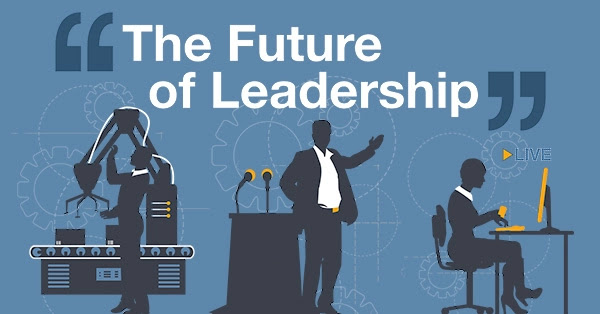
Leadership today is undergoing a profound transformation. No longer defined merely by authority, hierarchy, or decision-making power, the modern concept of leadership is rooted in empathy, adaptability, purpose, and the ability to inspire. In a world shaped by rapid technological change, global uncertainty, and rising expectations, leaders are required to think beyond traditional boundaries and embrace a more human-centered approach.
At its core, effective leadership begins with clarity of vision. A leader must have a compelling sense of direction—one that aligns with long-term goals and resonates with people at every level. Vision provides meaning, motivation, and a shared understanding of why the journey matters. Great leaders do more than set goals; they communicate purpose in a way that empowers others to believe in the mission and contribute wholeheartedly.
However, vision alone is not enough. The leaders of today must cultivate emotional intelligence—a deeper understanding of themselves and the people they guide. This includes empathy, active listening, and the ability to navigate diverse perspectives. Emotional intelligence helps leaders build trust, resolve conflicts, and create an inclusive environment where individuals feel valued. In an era where employees seek belonging and respect, this skill set is more crucial than ever.
Adaptability has also become a hallmark of modern leadership. With constant technological advancements and unpredictable market dynamics, leaders must be open to change and willing to learn continuously. The ability to pivot strategies, embrace innovation, and encourage experimentation defines the difference between leaders who merely survive and those who thrive. Adaptable leaders see challenges not as obstacles but as opportunities for growth and reinvention.
Another essential element of leadership today is collaboration. The most successful leaders understand that progress rarely happens in isolation. They encourage teamwork, break down silos, and create spaces where diverse talents and ideas can come together. By empowering others and distributing responsibility, leaders strengthen the collective capability of their teams. Collaboration fosters creativity, accelerates problem-solving, and builds stronger, more resilient organizations.
Integrity remains the foundation upon which all other leadership qualities stand. A leader who acts with honesty, fairness, and consistency earns respect not because of their title but because of their character. Ethical leadership builds credibility, strengthens culture, and inspires others to uphold high standards. In a world where trust is increasingly fragile, integrity becomes a leader’s most powerful asset.
Lastly, the modern leader leads by example. They show resilience during adversity, humility in success, and courage in decision-making. They are willing to take responsibility, acknowledge mistakes, and continuously strive to improve. By embodying these values, leaders influence others not through force, but through the strength of their actions.
In essence, leadership in the modern era is about influence, inspiration, and impact. It is about guiding people toward a shared purpose while nurturing their growth. As organizations and societies evolve, leaders who combine vision with empathy, adaptability with integrity, and confidence with humility will shape a future defined by progress, innovation, and humanity. These are the leaders who not only achieve success but create meaningful and lasting change.
If you’d like this article tailored to a specific industry, leader, or publication theme, I can refine it further.